Golf Ball Recycling Launches Club Recycling Pilot in Auckland
A new initiative offers golfers in Auckland, New Zealand, a responsible way to dispose of old clubs, with collection points at several courses throughout October.
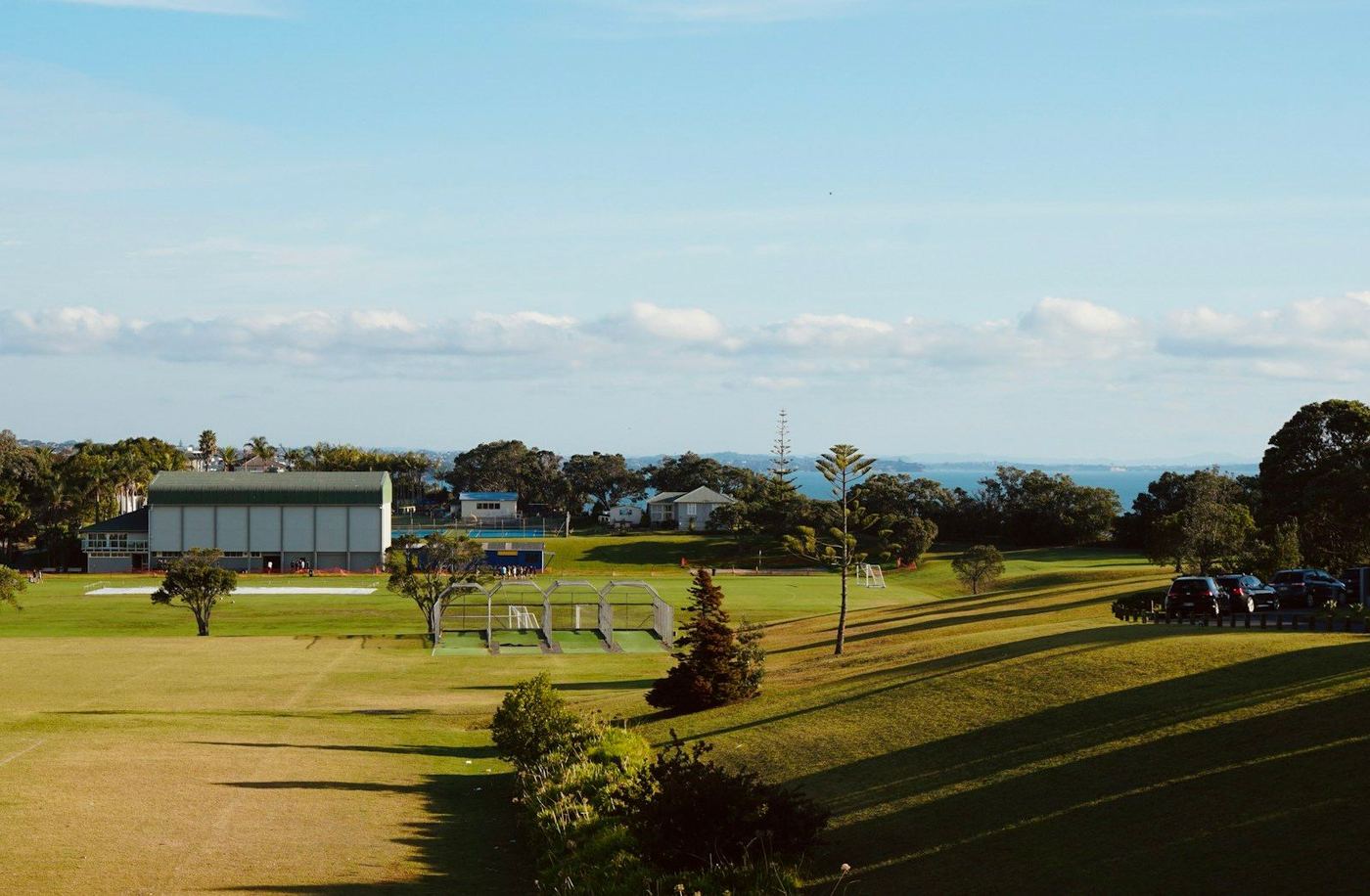
Auckland Launches Golf Club Recycling Pilot
A new pilot programme for recycling golf clubs has commenced in Auckland, New Zealand, providing golfers with a structured method for discarding their used equipment responsibly. The initiative, a collaboration between Golf Ball Recycling (GBR) and Endless Metal Recyclers, is scheduled to operate throughout October 2026.
This period coincides with Recycling Week in Aotearoa New Zealand, aiming to raise awareness about sustainable practices within the sport. Participating golf courses, including Royal Auckland and Grange Golf Club, Clarks Beach, Remuera, and Takapuna, are hosting free collection bins where golfers can deposit any clubs, regardless of their condition, brand, or type. The programme seeks to diminish the environmental impact of golf equipment by diverting it from landfills.
Addressing Equipment Waste and Carbon Footprint
Golf clubs are often challenging to recycle through general waste streams due to their composite construction, typically combining materials such as iron, steel, or graphite for shafts and heads, with rubber or plastic used for grips. Each material necessitates distinct recycling processes, making conventional kerbside collection unsuitable.
The environmental cost of producing new equipment is substantial; Arbor Eco reports that a single golf club carries an average carbon footprint of approximately 17.5kg of CO2 emissions. This figure is comparable to the incineration of 7kg of plastic waste or 18km flown on a long-haul flight.
Recycling efforts are therefore crucial for keeping these items out of landfills, recovering valuable resources, reducing the need for new raw materials, and preventing hazardous substances from entering the environment.
Extending Equipment Lifespan and GBR's Role
For golf clubs that retain playability, alternative disposal methods are encouraged to extend their lifespan before recycling becomes necessary. Golfers can sell gently used clubs through online platforms such as Birdie Chance or Facebook Marketplace, or donate them to junior golf programmes, local charities, or second-hand shops.
These actions are positioned higher on the waste hierarchy and contribute to a circular economy by keeping equipment in use for longer. Golf Ball Recycling, the primary organiser of the Auckland pilot, is recognised as Australia and New Zealand’s largest full-cycle golf ball recycling company.
GBR actively seeks to broaden its waste management solutions within the golf industry, collaborating with local councils and innovative companies to give recycled resources a second life.
Regional Implications for Golf Sustainability
The Auckland pilot programme offers a practical model for golf clubs and operators across the Asia-Pacific region to consider implementing similar sustainability initiatives. With high golf participation rates and frequent equipment upgrades in markets such as Japan, South Korea, and Australia, the volume of discarded golf clubs presents a significant waste management challenge.
Asian golf associations and course managers could observe the effectiveness of Auckland's free collection bins and partnerships with metal recyclers.
Establishing dedicated recycling points at courses or coordinating with local waste management services could provide golfers in the region with accessible, environmentally sound options for their end-of-life equipment, contributing to a more sustainable golf industry across Asia.
Get The Sunday Round.
One course worth playing, one destination worth planning, and one story worth your coffee, every Sunday. Free.